Key Takeaways
- Lake trout are the headline. Flaming Gorge is a nationally significant lake-trout (mackinaw) fishery with record-class fish — most of the giants come from deep water by boat.
- It’s a true multi-species reservoir. Brown trout, rainbow trout, kokanee salmon, and smallmouth bass all share the water, each with its own best season and technique.
- Shore, boat, and ice all work. A boat unlocks the trophy water, but shore fishing produces in the shallows and winter ice fishing is a genuine draw.
- Licensing is a two-state affair. The reservoir has a Utah–Wyoming reciprocal arrangement; the Green River below the dam is separate. Always verify current rules.
- Season and species drive the plan. Decide what you’re chasing and when, then build the trip — that single decision shapes everything from tackle to launch time.
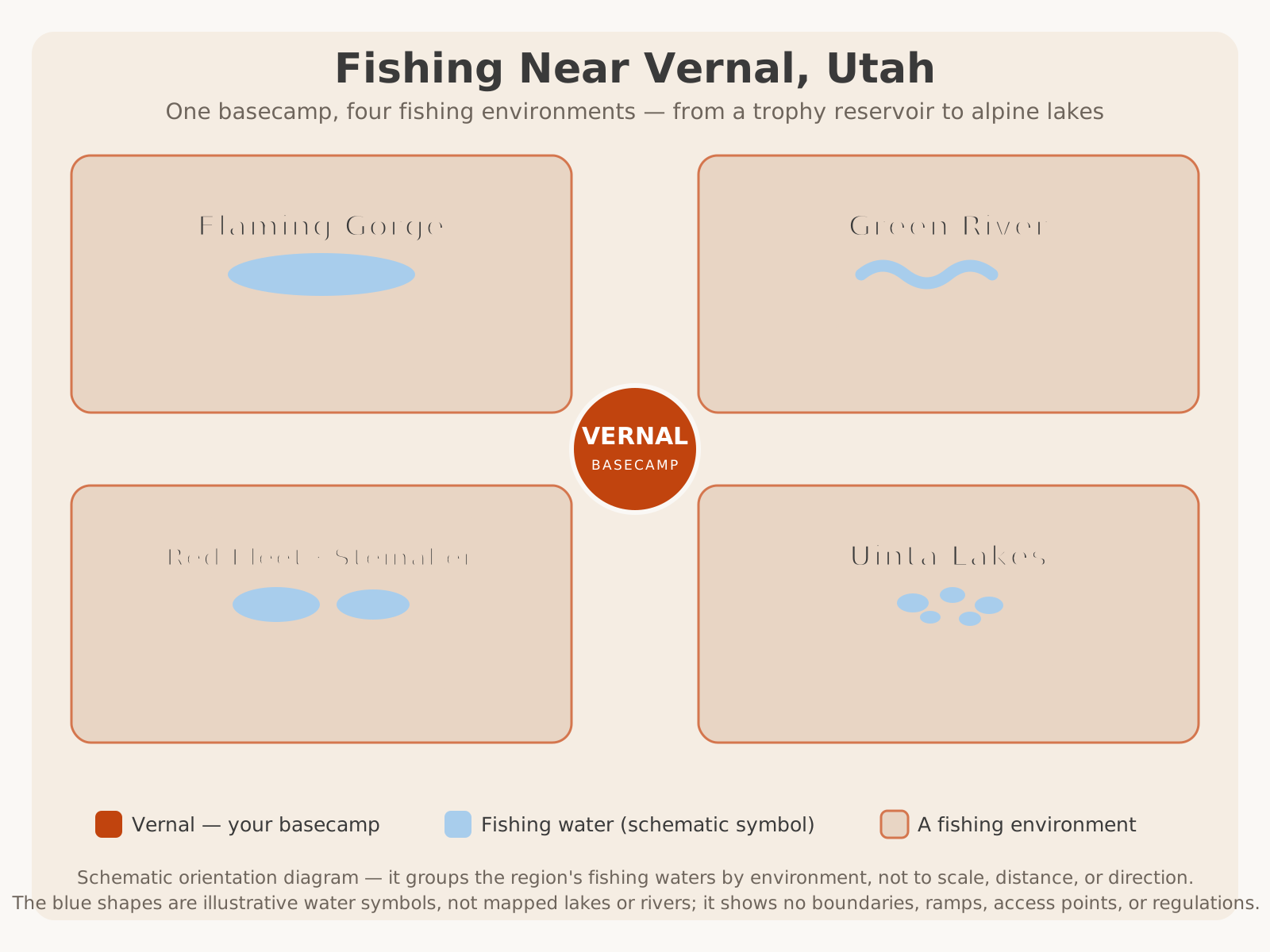
For orientation, here’s where Flaming Gorge fits among the region’s four fishing environments — it’s the big reservoir, the trophy big water:
Why Fish Flaming Gorge
Ask serious anglers across the Mountain West to name the region’s great lake-trout waters and Flaming Gorge will be near the top of every list. This is a genuinely nationally significant fishery — a 91-mile reservoir that grows lake trout to enormous, record-class sizes and has a long, storied reputation for giant brown trout on top of it. People plan destination fishing vacations around this water, and for good reason.
What makes it special for a visiting angler, though, is the combination. Flaming Gorge isn’t a one-trick trophy lake — it’s a deep, cold, complex reservoir that supports lake trout, brown trout, rainbow trout, kokanee salmon, and smallmouth bass, which means it fishes well for very different people: the trophy hunter jigging deep structure, the family casting from a sunny shoreline, the fly angler working the shallows, the winter angler drilling through the ice. Few waters offer that range.
And it does all of it wrapped in some of the most dramatic red-rock scenery in Utah, an hour north of Vernal. This guide is about how to fish it well. For where Flaming Gorge fits among the region’s other waters, see our overview of fishing in Dinosaur Country; for the reservoir’s full recreation picture — marinas, ramps, camping, scenic drives — see the Ultimate Guide to Flaming Gorge.
Reservoir Overview for Anglers
You don’t need to know every cove to fish Flaming Gorge, but a few features shape your strategy. The reservoir runs roughly 91 miles from the dam in Utah north into Wyoming, and it has two personalities: deep, steep-walled red canyon in the south near the dam, and broader, more open high-desert water in the north toward Wyoming. That geography matters because the southern canyon water is generally deeper and holds the cold, deep habitat lake trout love, while the northern reaches offer different structure and warm up differently through the season.
Because it’s so large and so deep, Flaming Gorge fishes more like several lakes than one. Water temperature, depth, and structure change dramatically from the dam to the far north end, and fish move seasonally between them. The practical takeaway for a visiting angler: pick an area and a species, and fish it well, rather than trying to fish the whole reservoir in a day. The marinas and boat ramps that give you access to each zone are detailed in the destination guide — and marina services, ramps, and rentals change, so VERIFY WITH OFFICIAL SOURCE before you rely on any of them.
Where to Start: Choosing Your Water
With 91 miles of reservoir, the most common first-timer mistake is not knowing where to begin. Simplify it by zone. The southern, canyon end near the dam is deeper, colder, and classic lake-trout habitat — start here if a trophy mackinaw is the goal. The northern, more open water toward Wyoming offers different structure and can be productive for a range of species through the season. The developed recreation areas and marinas are the logical launch and shore-access points for each zone.
For a first trip, pick one zone that matches your target species and fish it thoroughly rather than running the whole reservoir. The marinas, ramps, and recreation areas that access each part of the Gorge — the Cedar Springs and dam area in the south, Lucerne Valley near Manila, and Buckboard on the Wyoming end — are mapped out in our Flaming Gorge destination guide. Services and access change, so VERIFY WITH OFFICIAL SOURCE before you rely on a specific ramp or marina.
Major Fish Species
Your target species is the single most important decision you’ll make, because each one wants a different depth, season, and technique. Here’s how the Gorge’s headline fish break down. These are general orientations — for the fish actually present, and the rules that apply, VERIFY WITH OFFICIAL SOURCE (the Utah Division of Wildlife Resources and Wyoming Game and Fish).
Lake Trout (Mackinaw)
The fish that made Flaming Gorge famous. Lake trout are a cold-water, deep-dwelling species, and the Gorge grows them to trophy — even record-class — sizes. There are effectively two fisheries here: abundant smaller “eater” lake trout, and the giant trophy fish that draw anglers from across the country. The big ones live deep and are typically targeted by boat, using vertical jigging over structure or trolling at depth, often with the help of sonar to find fish and bait. This is technical, rewarding fishing, and it’s where a local guide earns their fee on a first trip. Note that reservoirs often carry special management rules aimed at balancing trophy and smaller lake-trout populations — VERIFY WITH OFFICIAL SOURCE for current limits and any size or slot rules.
Brown Trout
Flaming Gorge has a long-standing reputation for trophy brown trout, and big browns are part of what makes the fishery legendary. They can be caught in the reservoir and are associated with river influences and certain structure; they reward anglers willing to target them specifically rather than fishing generically. Browns are a prized, sometimes elusive trophy here — landing a big one is a genuine achievement.
Big browns tend to be most catchable in the cooler seasons, when they move and feed more aggressively, and they’re often pursued by trolling larger presentations or casting near structure and current. They’re less of a numbers fish than rainbows and more of a deliberate, patient pursuit — the kind of target you plan a trip around rather than stumble into. As with every species here, the specific rules that apply can change, so VERIFY WITH OFFICIAL SOURCE before you keep or target them.
Rainbow Trout
Rainbows are the accessible, everyday trout of the Gorge — more widely distributed, often shallower, and a great target for shore anglers and beginners as well as boaters. They’re a mainstay of the fishery and a big part of what makes shore and family fishing productive, especially in the cooler seasons when they move within reach of the bank.
Kokanee Salmon
Kokanee — landlocked sockeye salmon — are a beloved summer fishery at Flaming Gorge, typically targeted by trolling at depth with specialized gear as the fish suspend in the water column through the warm months. They’re excellent eating and a distinctive Gorge experience. Kokanee frequently carry special regulations (including rules around the fall spawning period and how they may be taken), which differ from other species and change — VERIFY WITH OFFICIAL SOURCE before targeting them.
Smallmouth Bass
Often overlooked amid the trout and salmon, smallmouth bass provide fun, active warm-season fishing along the Gorge’s rocky shorelines and structure. They’re aggressive, accessible, and a great option for anglers — including kids — who want steady action rather than a trophy hunt, particularly in summer.
| Species | Where / Depth | Prime Season | Common Method |
|---|---|---|---|
| Lake trout (trophy) | Deep water, structure | Year-round; ice season notable | Boat: jigging, trolling |
| Lake trout (smaller) | Moderate depths | Year-round | Jigging, trolling |
| Brown trout | Structure, river influence | Cooler seasons | Trolling, casting |
| Rainbow trout | Shallower, widespread | Spring, fall | Shore, troll, fly |
| Kokanee salmon | Suspended, at depth | Summer | Trolling (specialized) |
| Smallmouth bass | Rocky shorelines | Summer | Casting, shore & boat |
Shore Fishing
You don’t need a boat to catch fish at Flaming Gorge. While the biggest lake trout typically require getting out over deep water, shore and near-shore fishing is genuinely productive — and it’s the most accessible, affordable, and family-friendly way to fish the reservoir. Rainbows, smaller lake trout, smallmouth bass, and other species come within reach of the bank, especially in spring and fall when cooler water pulls fish shallower.
Good shore fishing means finding accessible shoreline with some depth or structure nearby — points, drop-offs, and rocky areas near the developed recreation zones are logical starting places. Bring the basics, be ready to move until you find fish, and fish the productive low-light hours of morning and evening. It’s the perfect approach for anglers without a boat, for a relaxed day, or for introducing someone to the fishery before committing to a charter.
Boat Fishing
To fish Flaming Gorge to its full potential — and to have a real shot at a trophy lake trout — you’ll want a boat. A boat unlocks the deep water where the giants live, lets you cover the reservoir’s enormous area efficiently, and opens up trolling for kokanee and vertical jigging over deep structure. Sonar (a fish finder) is close to essential for the deep-water game: you’re looking for fish and bait at specific depths over specific structure, and finding them is most of the battle.
The two workhorse techniques are trolling (covering water with lines at a set depth — the standard approach for kokanee and a productive one for lake trout and browns) and vertical jigging (dropping a jig straight down over marked fish and structure — a favorite for lake trout). Boat ramps and marinas provide access across the reservoir; rentals and services change, so VERIFY WITH OFFICIAL SOURCE (the marinas) before counting on renting a boat. And remember Utah’s invasive-species rules — clean, drain, and dry your boat, and expect possible inspections.
If you don’t own a boat or don’t know the water, a licensed local guide or charter is the fastest path to fish, especially for trophy lake trout on your first visit — they bring the boat, the sonar, the gear, and years of knowledge of a very big, very deep reservoir. VERIFY WITH OFFICIAL SOURCE for current outfitters and charter availability.
Tackle and Gear Basics
Your setup follows your target. For trophy lake trout, anglers generally fish heavier gear capable of working deep water — stout rods, appropriate line, and jigs or trolling gear built to reach depth — usually paired with sonar to find fish. For kokanee, specialized light trolling gear fished at depth is the norm. For rainbows, smaller lake trout, and smallmouth bass from shore or a boat, more modest spinning gear with common lures and bait covers most situations and is far friendlier for beginners and kids.
Whatever you target, pack for the reservoir’s environment as much as its fish: layers for cold mornings on open water, sun protection for the exposed high desert, polarized sunglasses to cut glare, and a dry way to carry electronics. This is a general orientation, not a shopping list — local tackle shops in Vernal and the marinas are the best source for current, water-specific advice, and a guide supplies everything for their own trips. For packing beyond tackle, see our what to bring guide.
Guided Trips and Charters
On a reservoir this large and this deep, a guide is often the fastest route to fish — especially for trophy lake trout on a first visit. A licensed local guide or charter brings the boat, the sonar, the specialized deep-water tackle, and, most valuable of all, current knowledge of where fish are holding on a 91-mile water that shifts with the season. For visitors flying in without gear, or anyone with only a day or two to fish, it’s frequently the highest-value way to experience the Gorge.
Guides also shorten the learning curve for techniques like vertical jigging for lake trout and downrigger trolling for kokanee, which can take seasons to learn on your own. Outfitters, charter availability, and pricing change, and this guide names none of them — VERIFY WITH OFFICIAL SOURCE for current, licensed operators, and book ahead for peak season.
Family Fishing
Flaming Gorge can be a great family fishing trip, but — unlike the gentle, close-to-town reservoirs of the Vernal area — it rewards a thoughtful plan. The reservoir is big, deep, cold, and can get windy, so the key with kids is to fish for the accessible species in the accessible way: rainbows, smallmouth bass, and smaller fish from a calm, sunny shoreline or from a boat in the still morning hours, with simple gear and realistic expectations.
Keep family days short and flexible, go early before the wind and heat build, put kids in life jackets near or on the water, and celebrate the steady action of smaller fish rather than holding out for a trophy. If your main goal is easy, high-success fishing with young children, the smaller reservoirs of Red Fleet and Steinaker closer to Vernal are gentler introductions — but a well-planned Gorge morning absolutely works, and the scenery is unbeatable. For more family ideas, see fun things to do in Vernal with kids.
Seasonal Fishing
Flaming Gorge fishes all year, but what and how you fish changes completely with the calendar. Matching your visit to your target species is the single biggest key to success.
| Season | What’s Hot | Notes |
|---|---|---|
| Spring | Rainbows, lake trout shallower, browns | Fish move shallower and more accessible; good shore fishing; cold water and variable weather |
| Summer | Kokanee, lake trout (deep), smallmouth bass | Prime kokanee trolling; lake trout go deep; hot, busy, best fished early; bass along rocks |
| Fall | Lake trout, browns, kokanee (spawn rules) | Cooling water reactivates fish; special kokanee rules often apply; beautiful, quieter |
| Winter | Ice fishing: lake trout, kokanee | Hard-water season when ice is safe; deep quiet; serious cold and safety demands |
Seasonal patterns are general and shift year to year with weather and water conditions. Kokanee and other species carry season-specific rules that change — VERIFY WITH OFFICIAL SOURCE before your trip. For the region’s month-by-month weather, see our Vernal weather guide.
Ice Fishing Overview
When the reservoir freezes, Flaming Gorge becomes one of the region’s marquee ice fisheries. Anglers drill through the hard water for lake trout, kokanee, and other species, and for many locals it’s a favorite season — quiet, stark, and productive, with the deep-water giants sometimes more reachable through the ice than in open water. It’s a genuinely special way to experience the Gorge.
It also demands real caution and preparation. Ice thickness and safety vary across the reservoir and change quickly, cold at this elevation is a serious hazard, and you need the right equipment and clothing. Never venture onto the ice without confirming current, local conditions; go with someone experienced if you can; and treat safety as the first priority, ahead of any fish. VERIFY WITH OFFICIAL SOURCE for current ice conditions, access, and winter regulations before heading out.
Photography Tips
A Flaming Gorge fishing trip is worth documenting, and the fishing and the light line up nicely.
- Shoot the golden hours. Dawn and dusk are both the best fishing windows and the best light, when the red canyon walls glow and the water goes warm and soft.
- Handle trophy fish responsibly for the photo. If you’re releasing a big lake trout or brown, keep it wet, support it horizontally with wet hands, shoot fast, and get it back — a good photo should never cost a fish its life.
- Capture the setting, not just the catch. The red canyon backdrop is what makes a Gorge fishing photo unmistakable; include it.
- Protect your gear. A dry bag or waterproof case is cheap insurance in a boat or through the ice.
- Mind the weather. Dramatic skies make great images but dangerous water — get off open water when storms build.
Conservation & Ethics
Flaming Gorge stays a world-class fishery because anglers help keep it that way. A few principles matter here. Practice careful catch and release when you’re releasing fish — keep them wet, minimize handling and air time, and revive them before letting go, which is especially important for big, old trophy fish that take decades to grow. Follow all invasive-species rules: clean, drain, and dry your boat and gear to protect the reservoir from quagga mussels and other invasives. Understand that fisheries managers sometimes set specific harvest rules — including, on some waters, encouraging harvest of certain size classes to balance the population — so know the current regulations and the reasoning behind them.
Keeping fish for the table is a legitimate, celebrated part of fishing here, within the limits — just know and follow the current possession and size rules, take only what you’ll use, and leave the shoreline and launch cleaner than you found them. VERIFY WITH OFFICIAL SOURCE for current harvest rules and limits.
Reservoir vs. the Green River
Many anglers coming to Flaming Gorge don’t realize they’re really choosing between two distinct fisheries. The reservoir — the subject of this guide — is big-water fishing for lake trout, kokanee, browns, rainbows, and bass, usually from a boat over deep water. Just below the dam, the Green River tailwater is a completely different experience: a cold, clear, world-class fly-fishing river for wild rainbows and browns, fished by float trip or wading.
They fish differently, they often carry different regulations, and they suit different anglers and moods — though plenty of visitors do both on the same trip. If a blue-ribbon fly-fishing day is what you’re after, the river below the dam is the destination; if trophy lake trout and big-water variety are the goal, the reservoir is your water. Our Dinosaur Country fishing overview frames both, and a dedicated Green River guide goes deep on the tailwater.
Common Mistakes to Avoid
A few predictable errors trip up first-time Gorge anglers:
- Trying to fish the whole reservoir. It’s 91 miles — pick a zone and a species and fish them well.
- Fishing the wrong depth. Lake trout deep, kokanee suspended, rainbows and bass shallower — depth is everything here.
- Ignoring the wind and weather. Afternoon chop on open water is real and can end a day. Launch early and watch the sky.
- Getting the license or rules wrong. The two-state reciprocal water and species-specific regulations catch people out. Verify before you cast.
- Underestimating the cold and the sun. Cold water and intense high-desert sun coexist here — prepare for both.
- Skipping the invasive-species steps. Clean, drain, and dry, every time.
Avoid these and you’re most of the way to a good day on the water.
Planning Tips
Pull it all together with a simple plan:
- Decide your target and season first. Trophy lake trout, kokanee, a family shore day, or ice fishing each imply a different time of year, method, and gear. This one decision drives everything.
- Sort your license — for the right water. The reservoir has a Utah–Wyoming reciprocal arrangement; the Green River below the dam is separate. VERIFY WITH OFFICIAL SOURCE (Utah DWR and Wyoming Game and Fish) for current licenses and reciprocity.
- Verify the rules for your species. Limits, slot rules, and kokanee/seasonal regulations change and differ by species.
- Base in Vernal. The town, about an hour south, has the lodging, fuel, tackle, and supplies; camping is also available around the reservoir and in Ashley National Forest. See the destination guide for on-site options.
- Match your access to your goal. No boat? Fish from shore in spring and fall, or book a charter for the deep-water trophy game. VERIFY WITH OFFICIAL SOURCE for rentals, charters, and marina services.
- Prepare for the environment. High-desert sun, cold water, afternoon wind, big distances, and spotty cell service are all real — pack accordingly (see our what to bring guide) and tell someone your plan.
- Clean, drain, dry. Meet the invasive-species requirements every trip.
Fished with a plan, Flaming Gorge delivers like few waters in the West — a real shot at the fish of a lifetime, a multi-species fishery that stays interesting all year, and scenery that makes even a slow day worthwhile. Decide what you’re chasing, verify the current rules, base yourself in Vernal, and give the Gorge the time it deserves. And when you want to trade the rod for a guided backcountry adventure between fishing days, book a UTV tour with Adventure Tours Vernal and let Dave and Trudy show you the country above the water.