Key Takeaways
- It’s a world-class tailwater. Cold, clear, bottom-release water from the dam creates stable year-round conditions and wild trout in famously clear water — regularly ranked among the best trout rivers in the country.
- A different fishery from the reservoir. This is river fly fishing for wild rainbows and browns — the counterpart to the big-water reservoir game covered in our Fishing Flaming Gorge guide.
- Wade or float — both are excellent. Walk-in access along the riverside trail suits beginners and families; a drift-boat float covers more water and is the classic trip.
- Clear water means selective fish. The clarity that makes it beautiful also makes trout wary — a guide dramatically shortens the learning curve on a first visit.
- Fishes much of the year. Stable flows mean spring hatches, summer dry-fly action, fall color, and winter solitude all have their moment — verify current conditions and rules before you go.
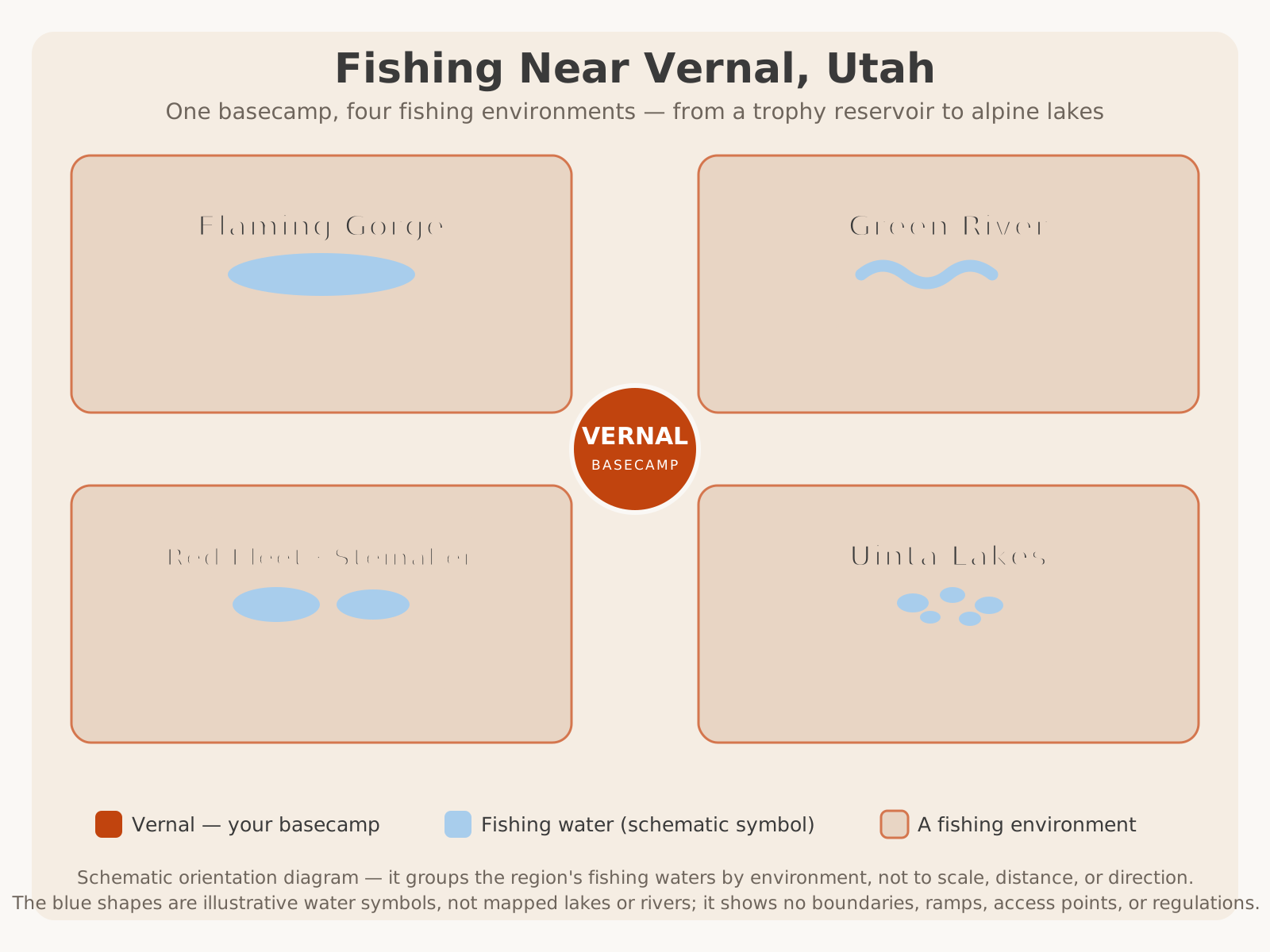
Before the details, here’s where the Green River sits among the region’s four fishing environments — it’s the tailwater river, the moving-water counterpart to the reservoirs and mountain lakes:
Why Fish the Green River
There are famous trout rivers, and then there is the Green River below Flaming Gorge Dam — a tailwater so good that fly anglers plan pilgrimages to it from across the continent. If Flaming Gorge Reservoir is the region’s trophy big-water fishery, the river just below its dam is the region’s fly-fishing crown jewel, and the two could not be more different. One is deep, open reservoir; the other is a cold, clear, wadeable river winding through a red-rock canyon, alive with wild trout you can often watch take your fly.
The reason to fish it is simple: this is fly fishing at its finest and most accessible in the same place. You get high numbers of wild rainbow and brown trout, water clear enough to sight-fish, a spectacular canyon setting, and a fishery that holds up in every season. Whether you’re a beginner making your first real casts under a guide’s eye, or a seasoned angler chasing selective trout in gin-clear pools, the Green River delivers an experience that lives up to its enormous reputation.
And it’s remarkably reachable — about an hour north of Vernal, the same base you’d use for the reservoir, the monument, and the mountains. This guide covers how to plan and fish it. For how it fits among the region’s waters, see our overview of fishing in Dinosaur Country; for the reservoir above the dam, see Fishing Flaming Gorge.
Green River vs. Flaming Gorge Reservoir
Anglers coming to the area often assume “Flaming Gorge fishing” is one thing. It’s really two very different fisheries — the reservoir above the dam and the river below it — and choosing between them (or doing both) is the first decision to make.
| Green River (below dam) | Flaming Gorge Reservoir | |
|---|---|---|
| Type | Cold, clear tailwater river | Large deep reservoir |
| Signature fishing | Fly fishing for wild trout | Trophy lake trout, kokanee, bass |
| How you fish | Wade or drift-boat float | Mostly from a boat |
| Main species | Wild rainbow & brown trout | Lake trout, browns, rainbows, kokanee, smallmouth |
| Best for | Fly anglers, sight-fishing, scenery | Trophy hunters, boaters, variety |
| Access | Riverside trail + boat launches | Marinas & boat ramps |
Neither is “better” — they’re different experiences, and many anglers do both on one trip. If clear-water fly fishing is the dream, read on; if big-water trophies are the goal, see Fishing Flaming Gorge.
Tailwater Overview
A “tailwater” is a river fed by water released from the base of a dam, and understanding that one fact explains almost everything about why the Green River fishes the way it does. Water drawn from deep in Flaming Gorge Reservoir comes out cold and clear, and it stays that way year-round — the river doesn’t freeze over or blow out and warm the way a typical freestone stream does with the seasons. That stability is the foundation of the fishery.
The celebrated water runs from just below the dam downstream, with the classic, most-fished section flowing through Little Hole and continuing on beyond it. A riverside trail follows this upper stretch, providing walk-in wading access, while drift boats launch to float the river and reach water you can’t easily walk to. The canyon setting — red cliffs rising above clear green water — is a huge part of the experience and makes it as scenic as it is productive.
Because it’s a managed tailwater, flows are controlled by dam releases and can change, which affects wading safety and fishing conditions. VERIFY WITH OFFICIAL SOURCE for current river flows, access points, and any closures before your trip, and for the reservoir and dam context, see our Ultimate Guide to Flaming Gorge.
Access and Getting There
The Green River tailwater is reached from the Flaming Gorge Dam area, about an hour north of Vernal via US-191, near the community of Dutch John. The main fishing access centers on the water just below the dam and the Little Hole area downstream, connected by the riverside trail, with boat launches for floats. Because it sits within the Flaming Gorge complex, expect the same kind of access considerations — parking, developed use areas, and seasonal conditions — described in our Flaming Gorge destination guide.
Fuel up and buy supplies and any last-minute tackle in Vernal or the gateway communities before you head up, since services are limited once you’re at the river. Exact access points, parking, launch sites, and any fees or seasonal closures change — VERIFY WITH OFFICIAL SOURCE for current access and logistics before your trip.
What Makes It Special
Plenty of rivers hold trout. A handful of things combine to put the Green River in the top tier.
- Water clarity. The clarity here is genuinely exceptional — clear enough that anglers routinely sight-fish, spotting individual trout and watching them react to a drifted fly. It’s thrilling, and it’s also humbling, because the fish can see you too.
- Wild trout in numbers. This isn’t a put-and-take pond; it holds robust populations of wild, streetwise rainbow and brown trout that have earned their PhDs in tippet-shyness.
- Year-round stability. The cold, consistent tailwater flows mean the river fishes across all four seasons, without the freeze-up and runoff swings of a freestone stream.
- The setting. Fishing a clear river beneath red canyon walls is an experience in itself — this is one of the most beautiful trout rivers anywhere.
- Access for everyone. From a walk-in wade near the dam to a full drift-boat float, the river accommodates beginners, families, and experts alike.
Fish Species
The Green River tailwater is fundamentally a wild trout fishery, and two species dominate.
Rainbow trout are the backbone of the river — abundant, spirited, and the fish most anglers catch most often. They hold throughout the river’s runs, riffles, and pools, and they’ll take everything from tiny nymphs to dry flies during a hatch. Brown trout share the water and add a trophy dimension; browns here can grow large and wary, and fooling a big one in clear water is a genuine accomplishment. The mix means the river offers both steady action and the chance at a memorable fish.
These are wild, sight-feeding trout in clear water, which shapes everything about how you fish for them: fine tippets, careful presentation, and a stealthy approach matter far more here than on an easy stocked stream. It’s fly fishing that rewards skill and rewards learning — which is exactly why so many anglers love it.
Part of what makes the fishery so highly regarded is that it is largely self-sustaining wild fish rather than a heavily stocked put-and-take stream — the stable, food-rich tailwater grows healthy, hard-fighting trout that hold and reproduce in the river. That wild quality is precisely why conservation-minded handling matters so much here, and why the fishing feels earned. For current species details, population management, and any special regulations, VERIFY WITH OFFICIAL SOURCE (the Utah Division of Wildlife Resources).
Trout Habitat
Reading the water is the heart of river fly fishing, and the Green River is a superb classroom because you can often see where the trout are. In general, trout here hold where the river gives them what they need: current that delivers food without exhausting them, cover from predators, and comfortable water. That translates to the seams where fast and slow water meet, the drop-offs along ledges and banks, the heads and tails of pools, riffle edges, and around structure and shade.
The tailwater’s clarity turns this into a visual game. Rather than blindly covering water, you scan for holding fish, watch how they’re feeding, and present accordingly — an approach that teaches you more about trout in a day than a season on murkier water. Cold, oxygen-rich, stable flows keep fish active and feeding across the seasons. Understanding this habitat, and matching your approach to it, is what separates a frustrating day from a great one — and it’s a big part of what a guide teaches on a first trip.
Wading
Wade fishing is the accessible, independent, budget-friendly way to fish the Green River, and it’s how many anglers — especially beginners and families — experience it. The riverside trail below the dam follows the upper river through Little Hole, giving you walk-in access to wade and fish productive water at your own pace, without a boat or a shuttle. You can hike to a run, work it thoroughly, and move on when you like.
Wading demands respect for the river, though. Tailwater flows change with dam releases, which affects both where you can safely wade and where fish hold, and cold, clear, moving water is unforgiving of a careless step. Wear appropriate footwear with good traction, consider a wading staff, watch the current, and never wade beyond your comfort — especially with kids nearby. VERIFY WITH OFFICIAL SOURCE for current flows and access before you set out.
Float Trips
The classic Green River experience is a drift-boat float, and for good reason. Floating covers far more water than you can walk, reaches runs and banks inaccessible from the trail, and lets you fish continuously as the boat drifts through the canyon. A skilled oarsman positions you for cast after cast at fresh, un-pressured water, and the canyon scenery unrolling from the boat is unforgettable.
Floats are typically done with a licensed guide who provides the boat, the local knowledge, and — crucially — handles the shuttle logistics of getting your vehicle to the take-out. Do-it-yourself floating is possible for those with the right boat, skills, and shuttle arrangements, but for most visitors a guided float is the way to go. Access points, launch and take-out logistics, and shuttle services change, so VERIFY WITH OFFICIAL SOURCE for current details, and book guided floats ahead in peak season.
| Wading | Float Trip | |
|---|---|---|
| Cost | Low — just a license and gear | Higher — usually a guided drift boat |
| Water covered | Near access points & the trail | Long stretches, hard-to-reach runs |
| Best for | Beginners, families, budget, own pace | Covering water, the classic experience |
| Logistics | Simple — park and walk | Needs a boat and a vehicle shuttle |
| Guide needed? | Optional | Recommended (boat + shuttle + knowledge) |
| Pace | Slow, thorough, on foot | Continuous, moving downstream |
Many anglers combine both across a multi-day trip — wade one day, float the next. There’s no wrong choice; it’s about your budget, your group, and the experience you want.
Hiring a Guide
For a first trip to the Green River — and especially for a float — a licensed local guide is one of the best investments you can make. The value isn’t just the drift boat and gear; it’s the knowledge. In clear water full of selective wild trout, a guide’s read on which flies are working, how to present them, and where fish are holding can turn a tough day into a great one, and the learning compounds for every trip after.
Guides are also the simplest way to handle a float’s logistics, from launching to the vehicle shuttle, and they tailor the day to your ability — patient instruction for a beginner, technical water for an expert, a relaxed pace for a family. Outfitters, availability, and pricing change constantly and this guide names none of them: VERIFY WITH OFFICIAL SOURCE for current licensed guides and book ahead, particularly for prime-season floats.
Beginner Advice
The Green River might look intimidating for a first-timer — famous water, clear conditions, selective fish — but it’s actually a wonderful place to learn, precisely because the clarity lets you see what’s happening. Watching a trout drift over to inspect (or refuse) your fly teaches you more, faster, than almost anywhere.
A few things set beginners up for success:
- Start with a guide. It’s the single biggest accelerator — casting instruction, fly selection, and reading water, all in one day on the water.
- Wade the accessible stretches near the dam and Little Hole to build confidence before committing to a float.
- Go fine and stealthy. Clear water rewards lighter tippets, careful presentation, and a low profile.
- Manage expectations. These are wild, educated trout; a few good fish is a good day, and getting skunked while learning is part of it.
- Mind your footing and the flows. Safety first in cold, moving water.
This article is designed to hand off to a dedicated beginner fly-fishing guide as the hub grows; in the meantime, a guided day is the fastest path from novice to hooked.
How you approach the river depends a lot on where you’re starting from.
| Beginner | Experienced | |
|---|---|---|
| Best start | Guided day, or wading near access | Wade or float independently |
| Focus | Casting, reading water, fly basics | Technical presentation, selective fish |
| Where to fish | Accessible stretches near the dam | Full river, harder-to-reach runs |
| A good day | A few fish and the fundamentals | Big browns, tough sight-fishing |
| Guide value | Very high — accelerates learning | High for local intel & floats |
Family Considerations
A Green River trip can absolutely include the family, with the right plan. Wading the gentle, accessible stretches near the main access points, or a guided float geared to a relaxed pace, both work — and the canyon scenery alone makes it memorable for kids whether or not the fishing is hot. Keep young anglers engaged with realistic goals and plenty of breaks, and let the day be about the river as much as the catch.
Safety is the priority on any river: cold water and current mean life jackets and close supervision for children, careful footing while wading, and staying within everyone’s comfort zone. If your main goal is easy, high-success fishing with young kids, the warm, calm reservoirs of Red Fleet and Steinaker near Vernal are a gentler introduction — but an older, engaged child can have a wonderful day on the Green. For more family ideas around the region, see fun things to do in Vernal with kids.
Hatches and Flies: The Basics
Fly fishing is, at heart, about matching what the trout are eating, and a tailwater like the Green River has its own rich insect life. Without turning this into a fixed calendar — because timing shifts every year and is best confirmed locally — visiting anglers should understand the general picture. Cold, stable tailwaters typically support year-round midges, seasonal mayflies (such as blue-winged olives), caddis, and, in the warmer months, terrestrials like hoppers and ants, along with the subsurface aquatic life trout feed on most of the time. Both nymphing (fishing below the surface) and dry-fly fishing (on top, during a hatch) produce here.
The clear water makes fly choice and presentation matter more than sheer casting distance — often a smaller, more natural fly drifted drag-free will outfish anything flashier. The single best way to know what’s working on the day you visit is local, current intelligence: an area fly shop or your guide will tell you what’s hatching and what the fish want right now, which no article can predict. VERIFY WITH OFFICIAL SOURCE or a local fly shop for current hatches, flows, and fly recommendations — and treat any hatch timing as a general guide, never a guarantee. A dedicated Green River hatch guide is a natural companion resource as this hub grows.
Seasonal Fishing
One of the Green River’s great strengths is that its stable tailwater flows keep it fishing all four seasons — but each has its own character, hatches, and rhythm. Match your trip to what you want.
| Season | Character | Notes |
|---|---|---|
| Spring | Hatches ramping up, active fish | Prized dry-fly and nymph fishing as insects emerge; variable weather; verify flows |
| Summer | Long days, dependable action, warm weather | Great for families and dry-fly fishing; busiest season; early and late best in heat |
| Fall | Cooling water, color, fewer crowds | Beautiful canyon color, active fish, quieter — many anglers’ favorite |
| Winter | Solitude for the hardy angler | Tailwater keeps fishing when other rivers freeze; cold, technical, peaceful |
Hatches, flows, and seasonal patterns change year to year and are managed by dam releases. VERIFY WITH OFFICIAL SOURCE for current flows, conditions, and any seasonal regulations — and never rely on a fixed hatch calendar. For the region’s month-by-month weather, see our Vernal weather guide.
Photography Tips
The Green River is as photogenic as it is fishable, and the two go hand in hand.
- Work the light. Early and late, soft light on the canyon walls and clear water is both the best fishing and the best photography window; harsh midday sun flattens the scene and spooks fish.
- Use the clarity. The clear water lets you photograph trout in their element — and a fish held just at the surface, wet and quick, makes a striking image.
- Release-friendly shots. Keep any fish you’re releasing wet, handle it briefly with wet hands, shoot fast, and get it back — the fish always comes first.
- Capture the canyon. The red walls above green water are what make a Green River photo unmistakable; include the setting, not just the catch.
- Protect your gear on the water. A dry bag or waterproof case is essential in a drift boat or while wading.
Conservation & Ethics
A wild trout fishery this good depends entirely on anglers protecting it. The Green River is famous for its wild fish, and thoughtful catch and release is central to keeping it that way: use appropriate tackle, keep fish wet, handle them minimally with wet hands, pinch barbs where required or sensible, and revive fish fully before release. Where harvest is permitted, know and follow the current limits and take only what you’ll use.
Beyond the fish, protect the river and the experience: pack out every scrap of line, tippet, and trash, respect other anglers’ water and space on a popular river, follow all invasive-species rules by cleaning, draining, and drying gear between waters, and tread lightly on the banks and canyon. The Green River’s quality is a shared trust. VERIFY WITH OFFICIAL SOURCE for current tackle rules, harvest regulations, and any special-regulation sections.
Planning Tips
Bring it together with a simple plan:
- Decide wade or float first. Independent wading near the access points, or a guided drift-boat float for more water — that choice shapes your budget, your logistics, and your day.
- Book a guide early if you want one. Especially for a float or a first visit; prime-season dates fill up. VERIFY WITH OFFICIAL SOURCE for licensed operators.
- Get your Utah license and check the rules. The river is in Utah with its own regulations that can differ from the reservoir; verify current licenses, limits, and any special-tackle rules before you go.
- Check the flows. Dam releases drive wading safety and fishing conditions — confirm current flows before every trip.
- Base in Vernal. About an hour south, it has the lodging, fuel, and supplies; see our Ultimate Guide to Vernal, and pair the river with the high-country lakes or the reservoir for a fuller fishing trip.
- Pack for a canyon river. Layers, sun protection, sturdy wading footwear, polarized glasses, and a dry bag; see our what to bring guide.
Fished thoughtfully, the Green River lives up to every word of its reputation — a cold, clear, wild-trout tailwater in a red-rock canyon that fishes all year and rewards every level of angler. Choose wade or float, line up a guide if it’s your first time, verify the current flows and rules, and base yourself in Vernal for the wider trip. And when you want to trade waders for a guided backcountry ride between fishing days, book a UTV tour with Adventure Tours Vernal and see the country above the canyon.